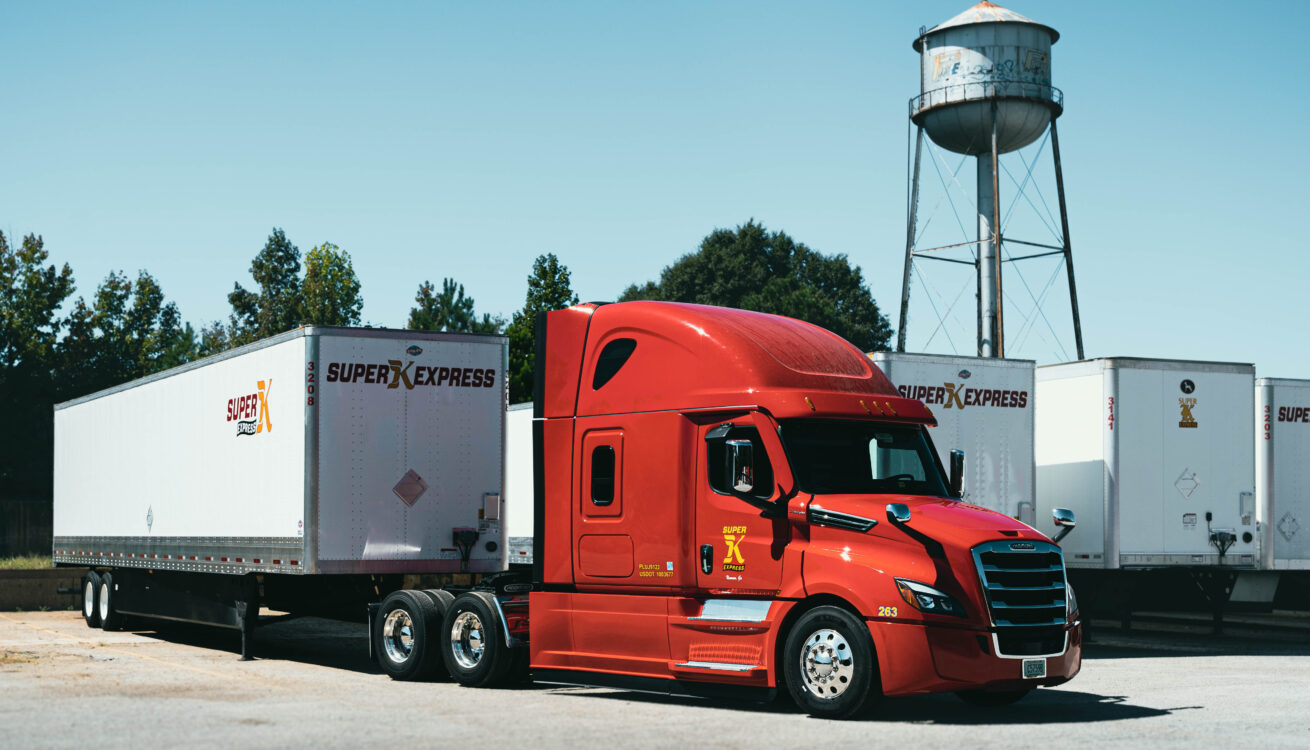
Efficient freight handling plays a critical role in keeping supply chains agile and cost-effective. As businesses look for ways to reduce storage time and accelerate deliveries, cross-docking has emerged as a practical logistics strategy. Rather than relying on long-term warehousing, this approach emphasizes speed, coordination, and operational precision to keep freight moving efficiently.
When implemented correctly, cross-docking supports lean operations, improves inventory flow, and enhances overall transportation efficiency. Understanding how it works can help businesses determine whether it aligns with their shipping and distribution needs.
The Core Process Behind Cross-Docking Operations
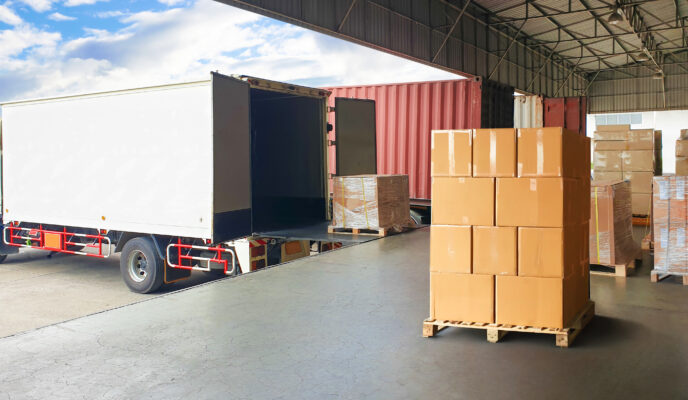
Cross-docking is designed to transfer freight directly from inbound transportation to outbound carriers with little or no storage time in between. Shipments arrive at a cross-dock facility, where they are immediately sorted, consolidated, or broken down based on delivery destinations. This process minimizes handling and significantly reduces dwell time.
Dock scheduling, load coordination, and real-time communication are essential to ensure smooth transitions. Freight must arrive and depart on tightly managed timelines, making operational accuracy a top priority. With proper planning, cross-docking reduces congestion, limits material handling risks, and improves delivery predictability across regional and long-haul routes.
Operational Efficiency Through Strategic Coordination
Working with a professional cross-docking company ensures that every step of the process is aligned with broader logistics goals. From coordinating inbound arrival times to managing outbound departures, experienced providers rely on advanced dispatch systems and trained personnel to maintain operational flow.
Cross-docking also supports scalability. As shipping volumes fluctuate, businesses can adjust throughput without committing to additional warehouse space. When supported by strong carrier partnerships and effective route planning, this model enables freight to move efficiently through distribution points while maintaining accuracy and accountability. A well-executed operation helps reduce transportation costs while preserving service reliability.
Regional Advantages and Infrastructure Planning
Location plays an important role in cross-docking success. Access to major transportation corridors, reliable infrastructure, and regional expertise enhances the effectiveness of cross-dock services in Newnan, GA, and Kansas City, MO. These strategic hubs allow freight to transition efficiently between Southeast and Midwest markets, supporting consistent transit schedules.
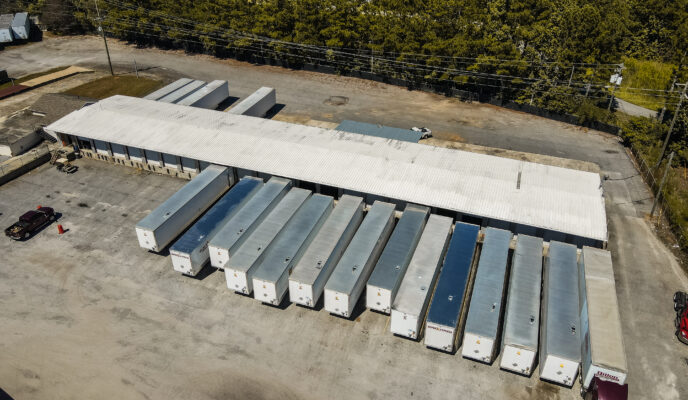
Facilities designed for cross-docking emphasize dock accessibility, traffic flow, and safety compliance. A properly equipped cross-dock facility supports faster turnaround times while reducing exposure to delays caused by congestion or inefficient layouts. This level of planning ensures shipments maintain momentum across regional and interstate routes.
Delivering Value Through Experience and Reliability
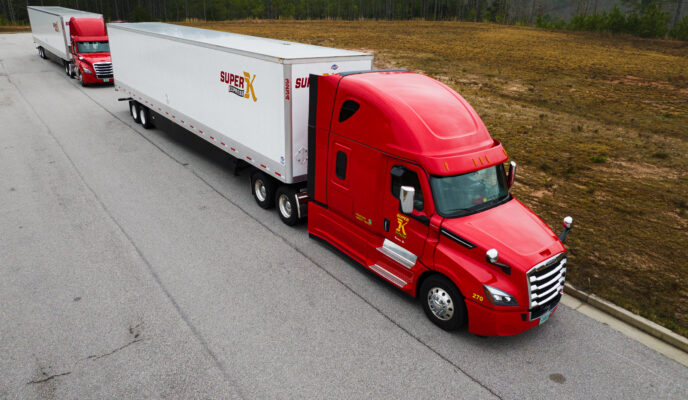
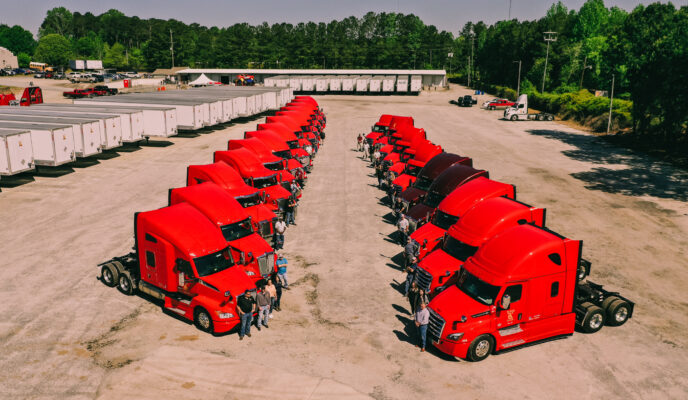
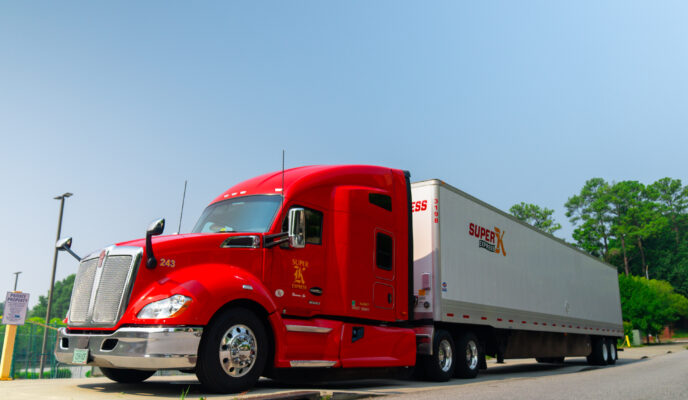
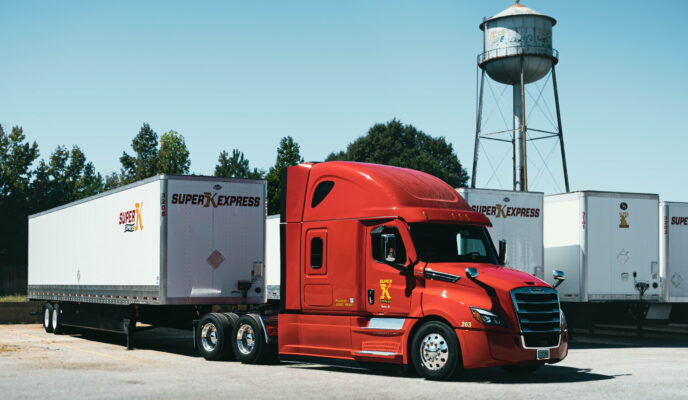
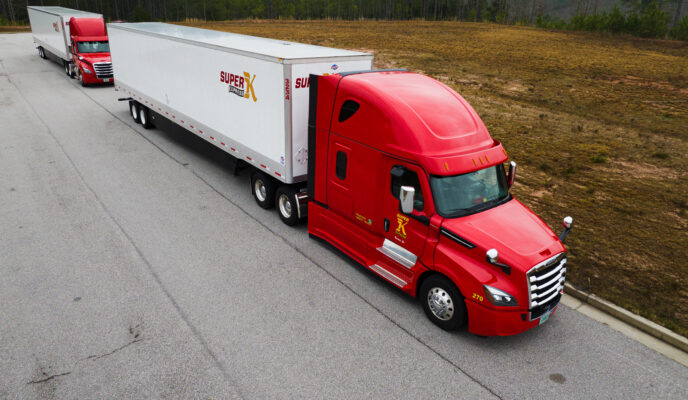
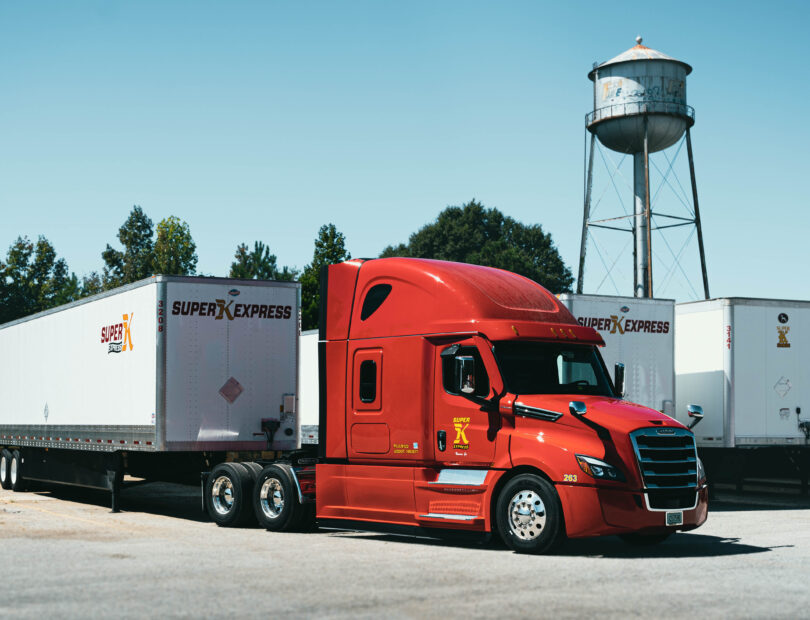
At Super K Express, we approach logistics with a focus on precision, accountability, and long-term partnership. As a trusted cross-docking company, we manage freight transitions with care and consistency, offering dependable services in Newnan, GA, and Kansas City, MO, to support regional and national supply chains. Learn more about how we streamline freight movement by visiting us today.