Efficient freight handling is fundamental to maintaining speed, accuracy, and cost control across the supply chain. As logistics networks become more complex and customer expectations continue to rise, businesses are increasingly adopting operational strategies that reduce delays and improve throughput.
One such strategy is cross-docking, a logistics method designed to move freight quickly through distribution points with minimal storage time. By facilitating the direct movement of freight between inbound and outbound carriers, this approach helps shorten delivery cycles while reducing handling costs and exposure to inventory risks.
Accelerating Freight Flow and Reducing Storage Costs
At its core, cross-docking eliminates the need for long-term warehousing by transferring shipments directly from incoming trucks to outbound carriers. This approach significantly reduces dwell time, allowing freight to move seamlessly through the supply chain. For businesses managing time-sensitive or high-volume shipments, this efficiency can translate into improved service reliability and lower operational expenses.
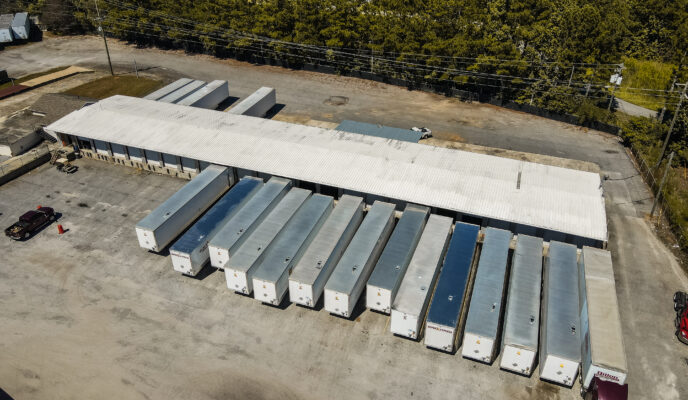
A professionally managed facility is equipped to handle rapid freight transfers while maintaining organization and accuracy. With designated staging areas, coordinated scheduling, and experienced personnel, these facilities help prevent congestion and minimize handling errors. Reduced storage requirements also lead to lower inventory carrying costs, making this approach an attractive option for companies focused on lean logistics models.
Improving Supply Chain Responsiveness and Reliability
Flexibility and responsiveness are critical in today’s freight environment. Working with a trusted cross-docking company allows shippers to adapt quickly to fluctuating demand, seasonal volume changes, and routing adjustments. Because freight moves continuously rather than sitting idle, businesses can respond faster to customer needs without overextending warehouse capacity.
Technology plays a key role in this process. Modern logistics systems enable precise coordination between inbound and outbound schedules, ensuring freight is transferred efficiently and accurately. When combined with skilled operational oversight, this approach improves consistency and reduces the likelihood of missed delivery windows. A second advantage of a well-run cross-dock facility is its ability to support regional distribution strategies, especially for freight moving between high-traffic corridors.
Enhancing Regional Distribution Efficiency
Strategically located operations strengthen regional and national freight networks. By positioning freight closer to its final destination, businesses can reduce transit times and optimize transportation routes. It is particularly valuable for shippers utilizing services where access to major transportation corridors supports efficient distribution across multiple regions.
Reliable services also help mitigate common logistical challenges such as congestion, weather disruptions, and variable delivery requirements in Newnan, GA, and Kansas City, MO. With proper planning and coordination, freight moves smoothly between carriers, maintaining momentum across long-haul routes. This level of operational control reinforces supply chain stability and ensures consistent performance across diverse markets.
Supporting Freight Operations with Proven Expertise
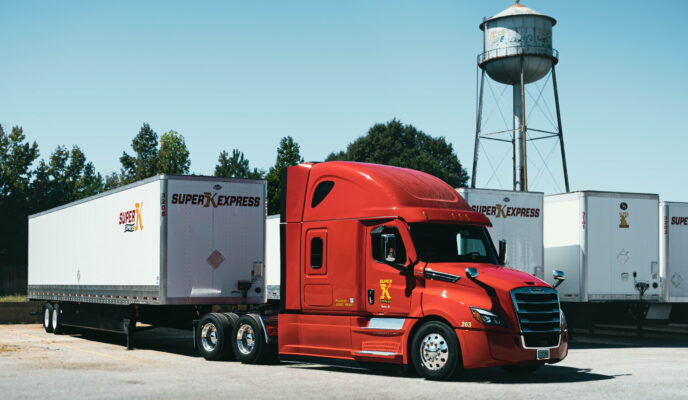
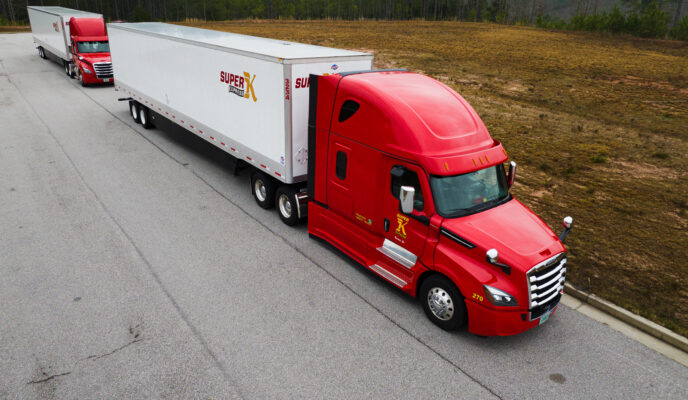
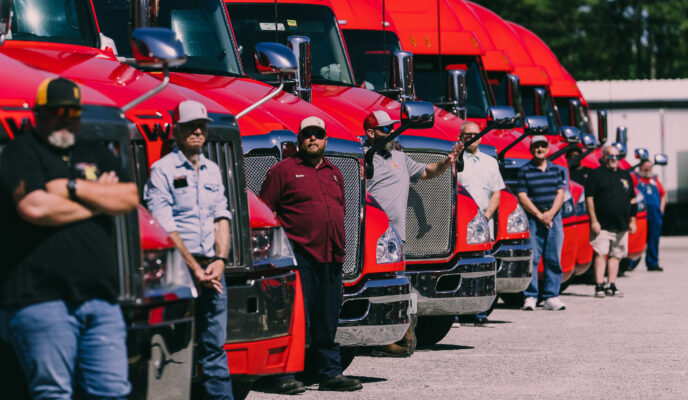
At Super K Express, we understand the importance of efficient freight handling in maintaining reliable supply chains. We provide professional solutions designed to support fast, accurate freight transfers while maintaining compliance and operational integrity. Our team focuses on precision, coordination, and accountability at every stage, ensuring freight moves efficiently through our network.
Explore how our expertise can support your logistics strategy—connect with us today to keep your freight moving forward with confidence.